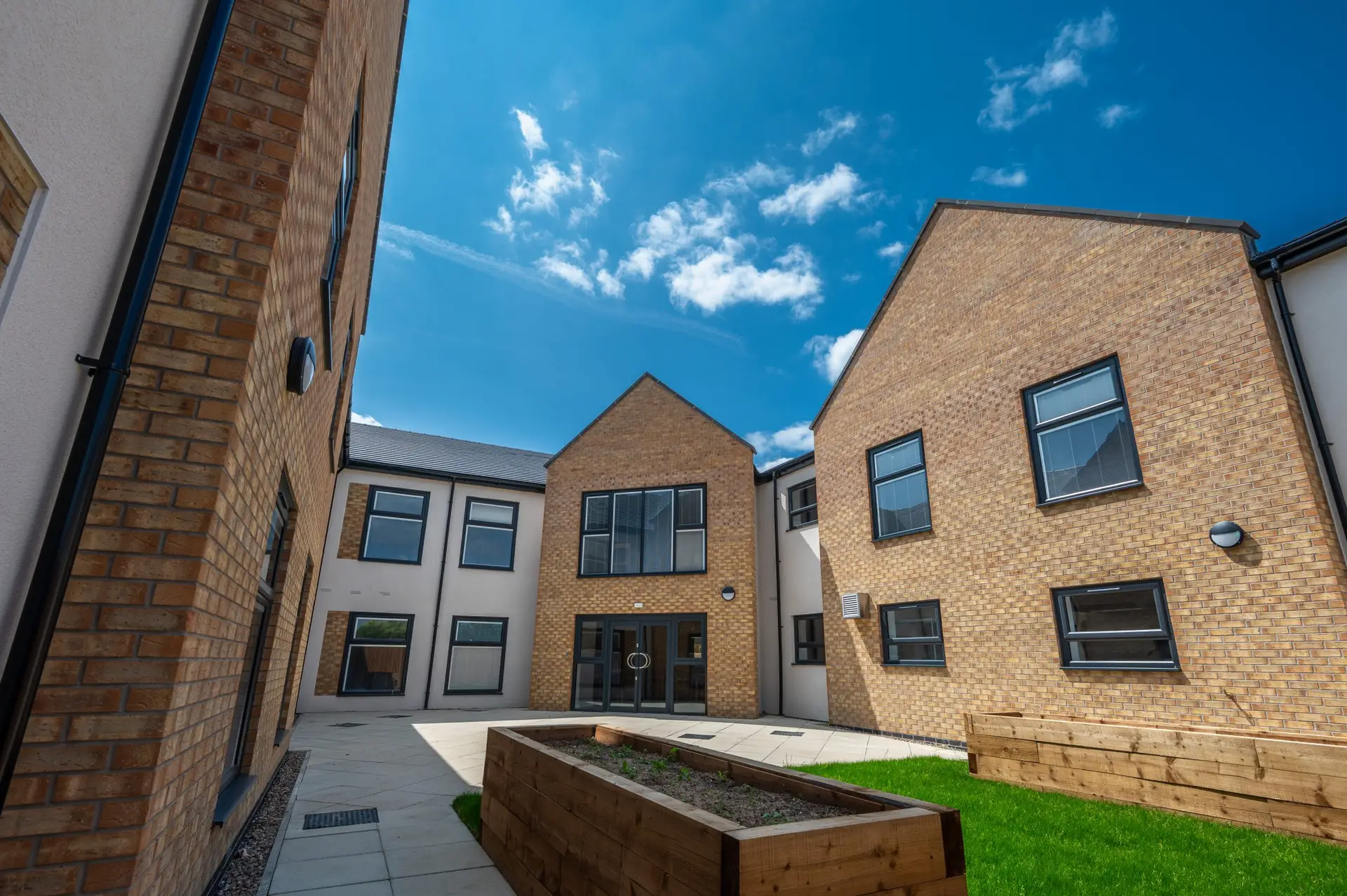
How we think about restrictive practice at Bancroft Care Centre
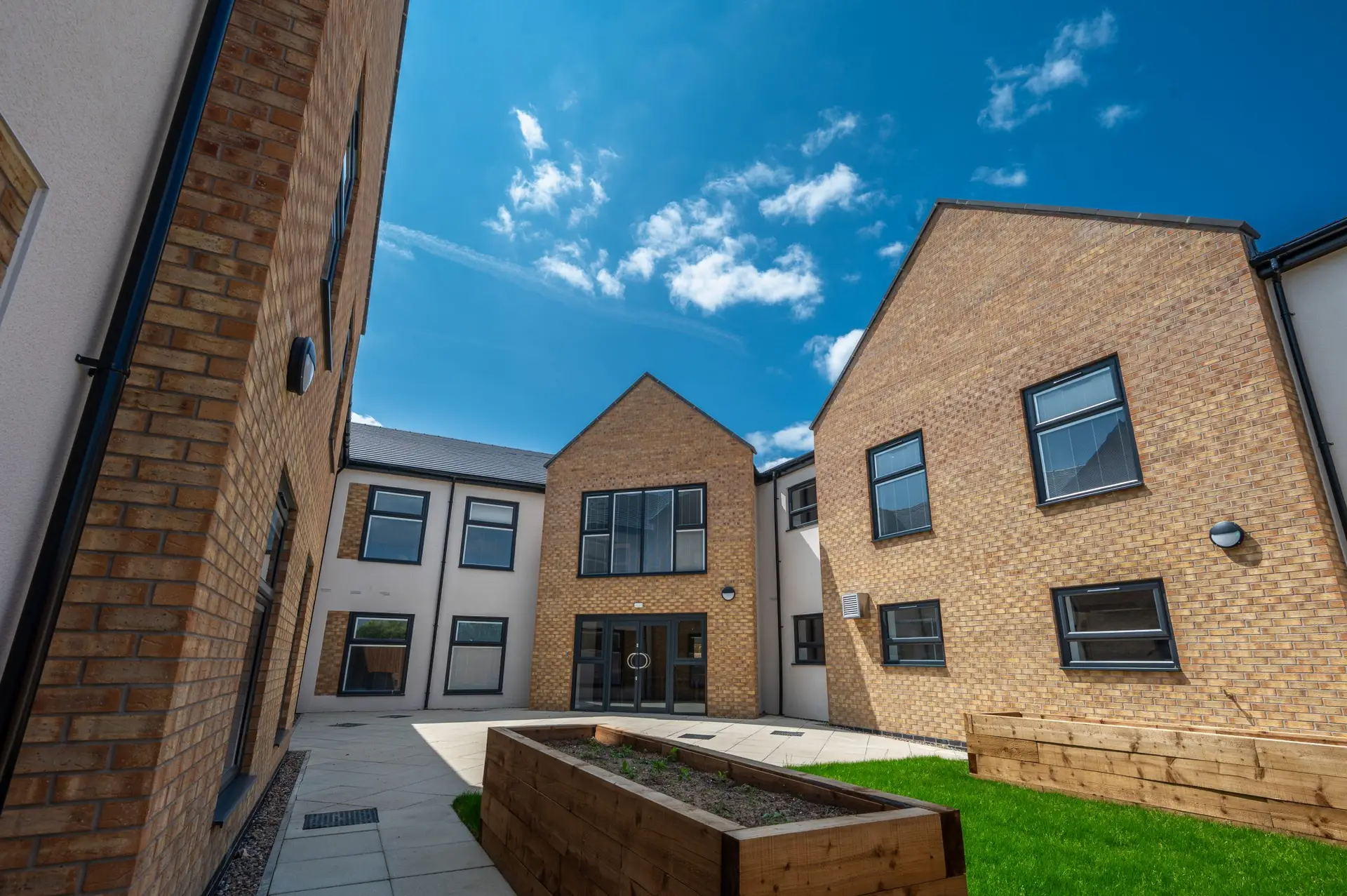
Ask most care homes how much restrictive practice they use and you will get a confident, precise answer. A number of physical interventions. A count of PRN medication. No seclusion.
Ask the people living there and you get a different account. The lounge door needs a code. Your handbag is kept in the office. You can have a bath at seven or at nine, but not at eleven, because eleven is handover.
None of that appears on an incident form. All of it is restrictive practice — and it is the part of the picture that most services never look at properly. We want to be open about how we approach this at Bancroft, because we think families and commissioners deserve to know before they choose a home, not afterwards.
The working definition used across the sector is deliberately broad: restrictive practice is anything that makes someone do something they do not want to do, or stops them doing something they do want to do.
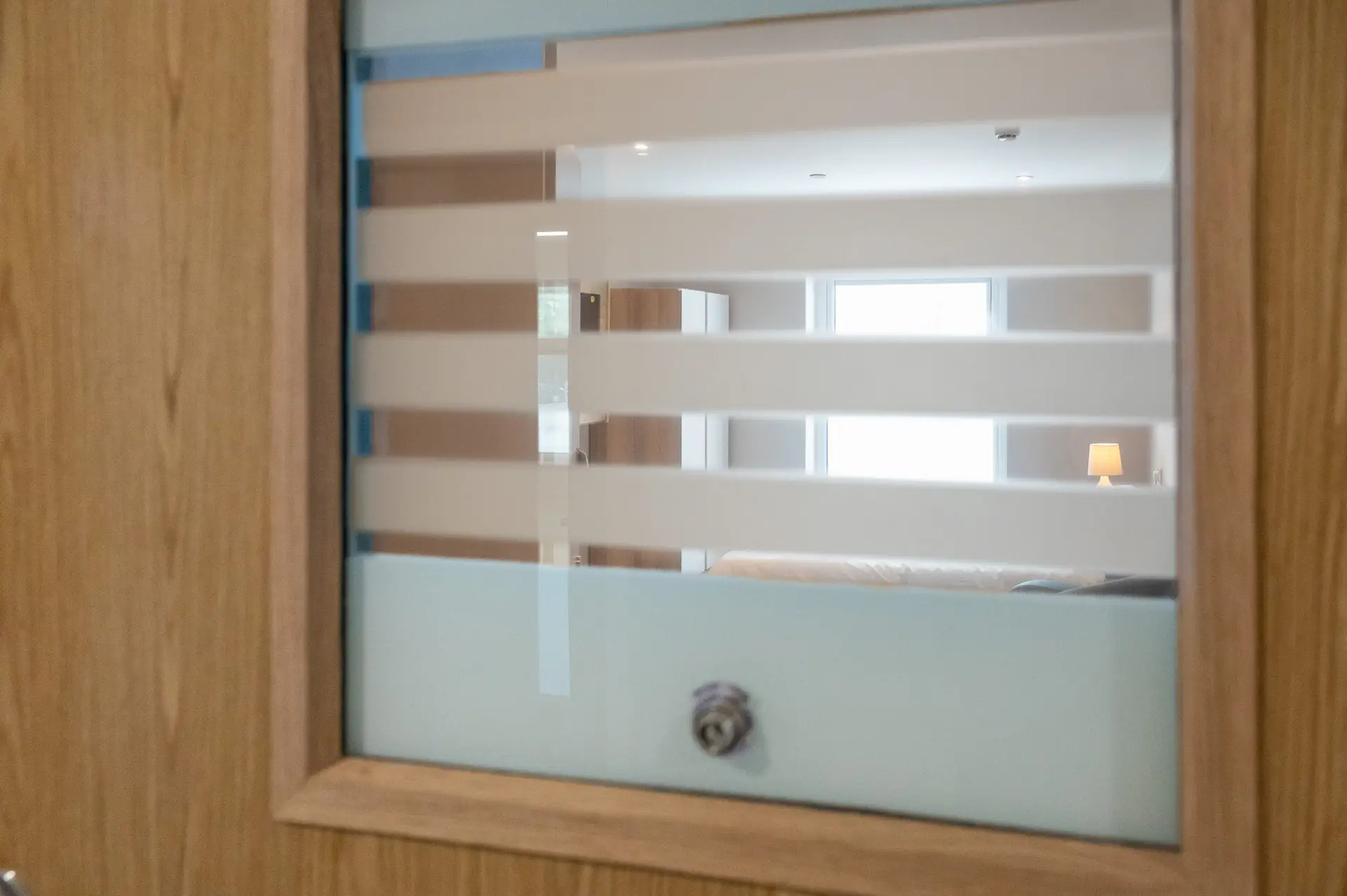
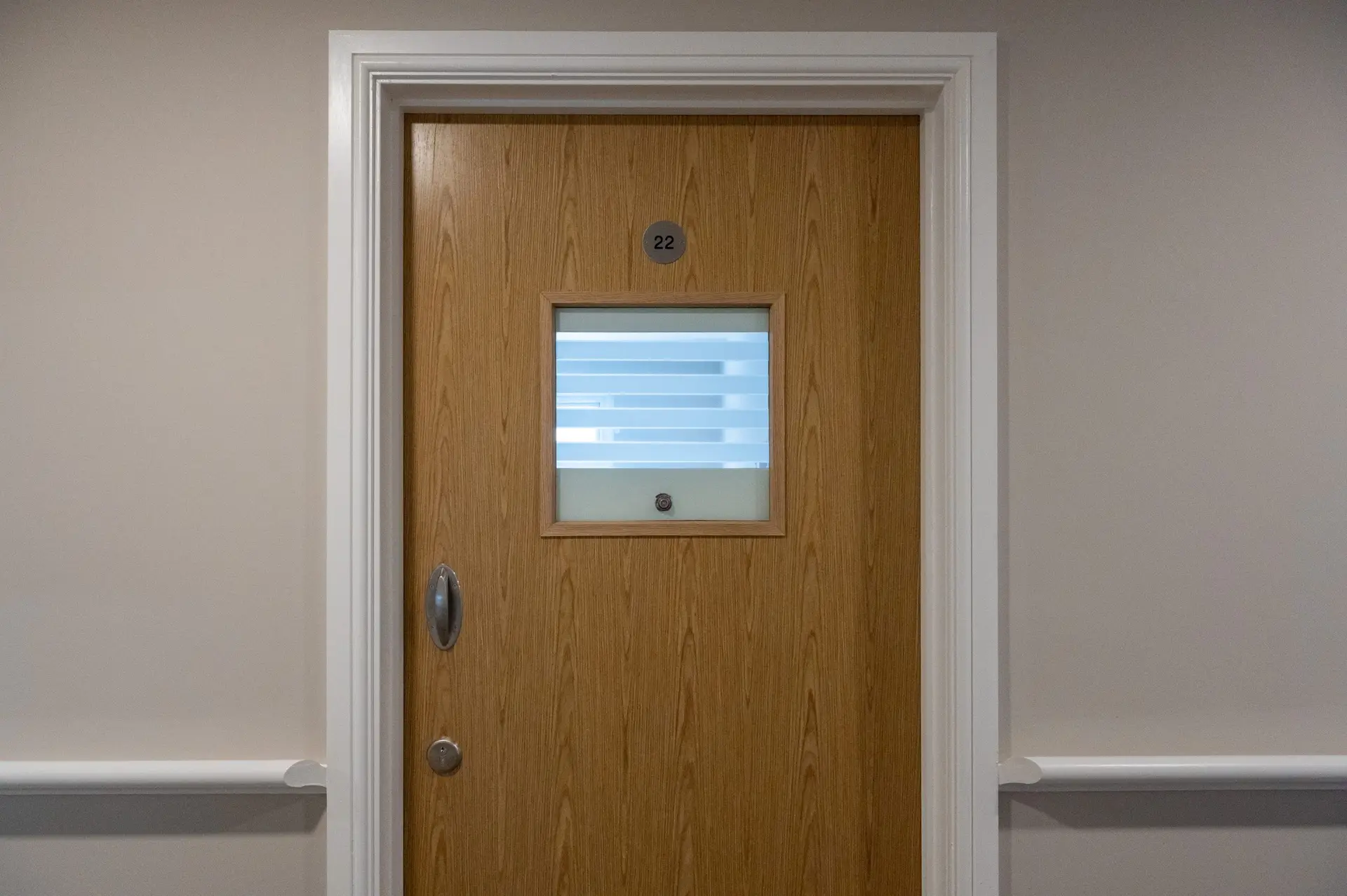
That covers physical intervention, and it covers medication used to manage behaviour rather than treat a condition. But it also covers the quieter things — locked doors and cupboards, held possessions, fixed routines, restricted access to the garden, limits on visitors, and blanket rules that apply to everybody because of something that happened once, to one person, a long time ago.
Those quiet restrictions matter enormously. They rarely get recorded, they are almost never reviewed, and they accumulate. Over a placement measured in years rather than weeks, they become the texture of someone’s daily life.
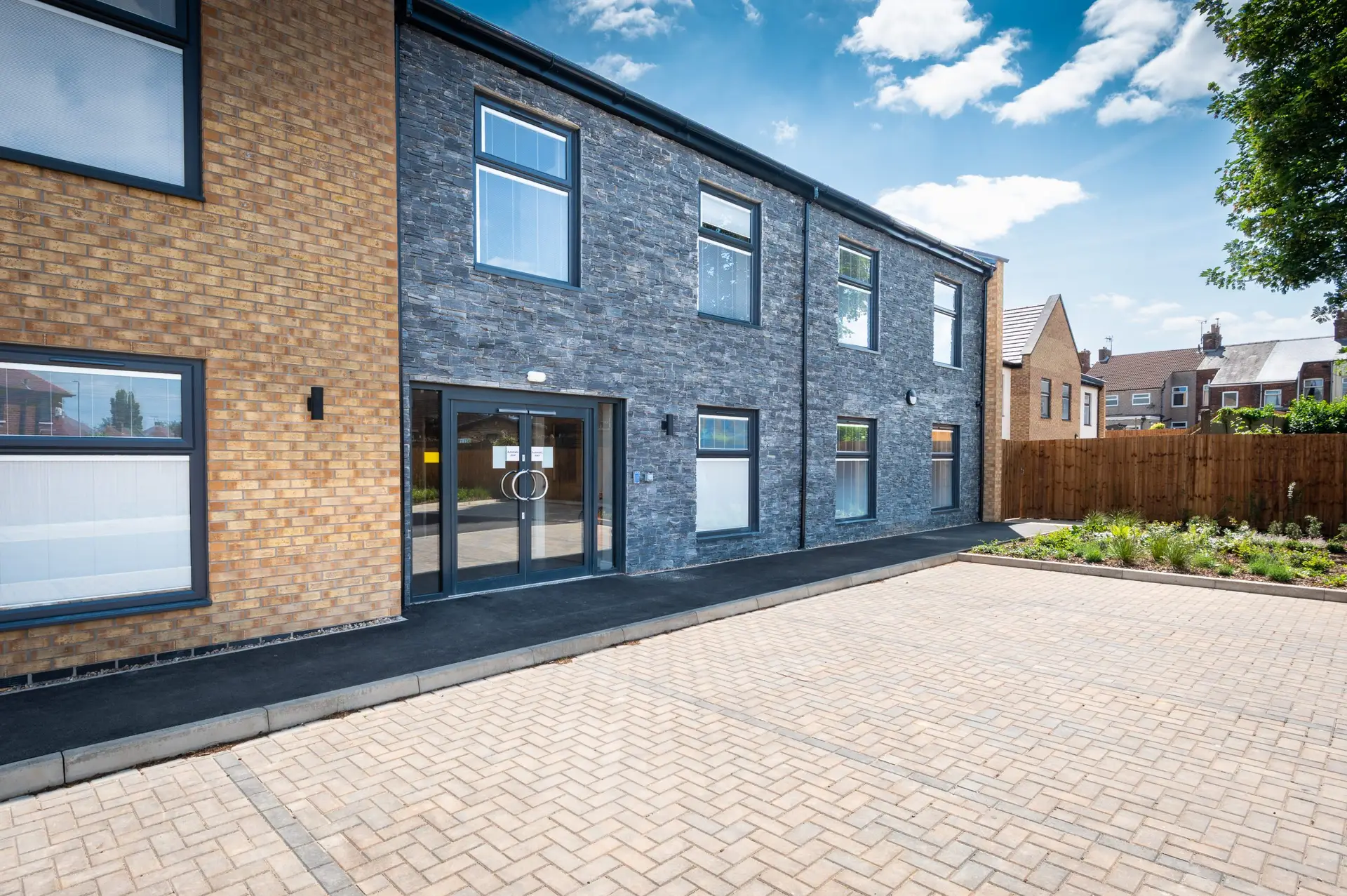
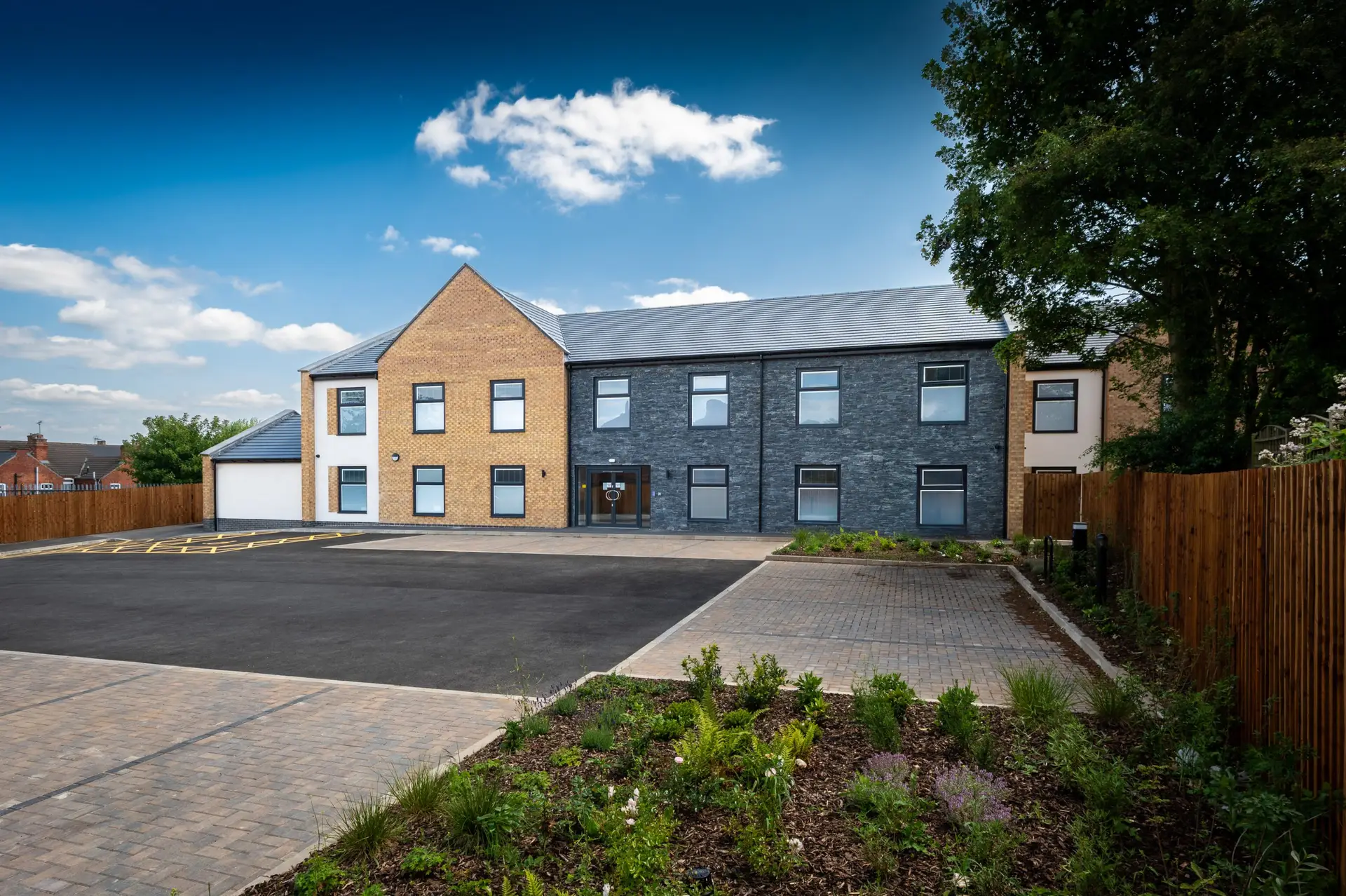
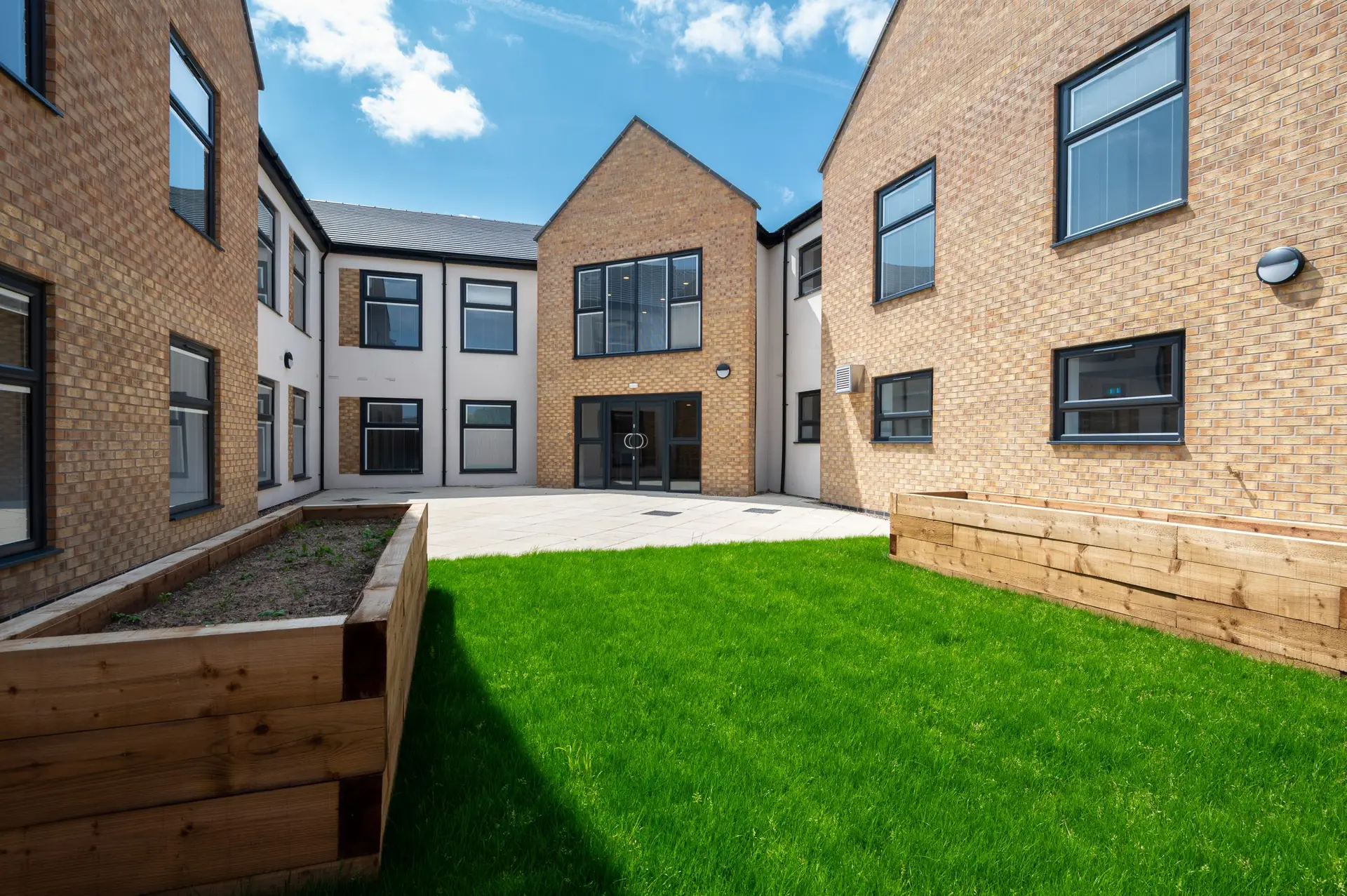
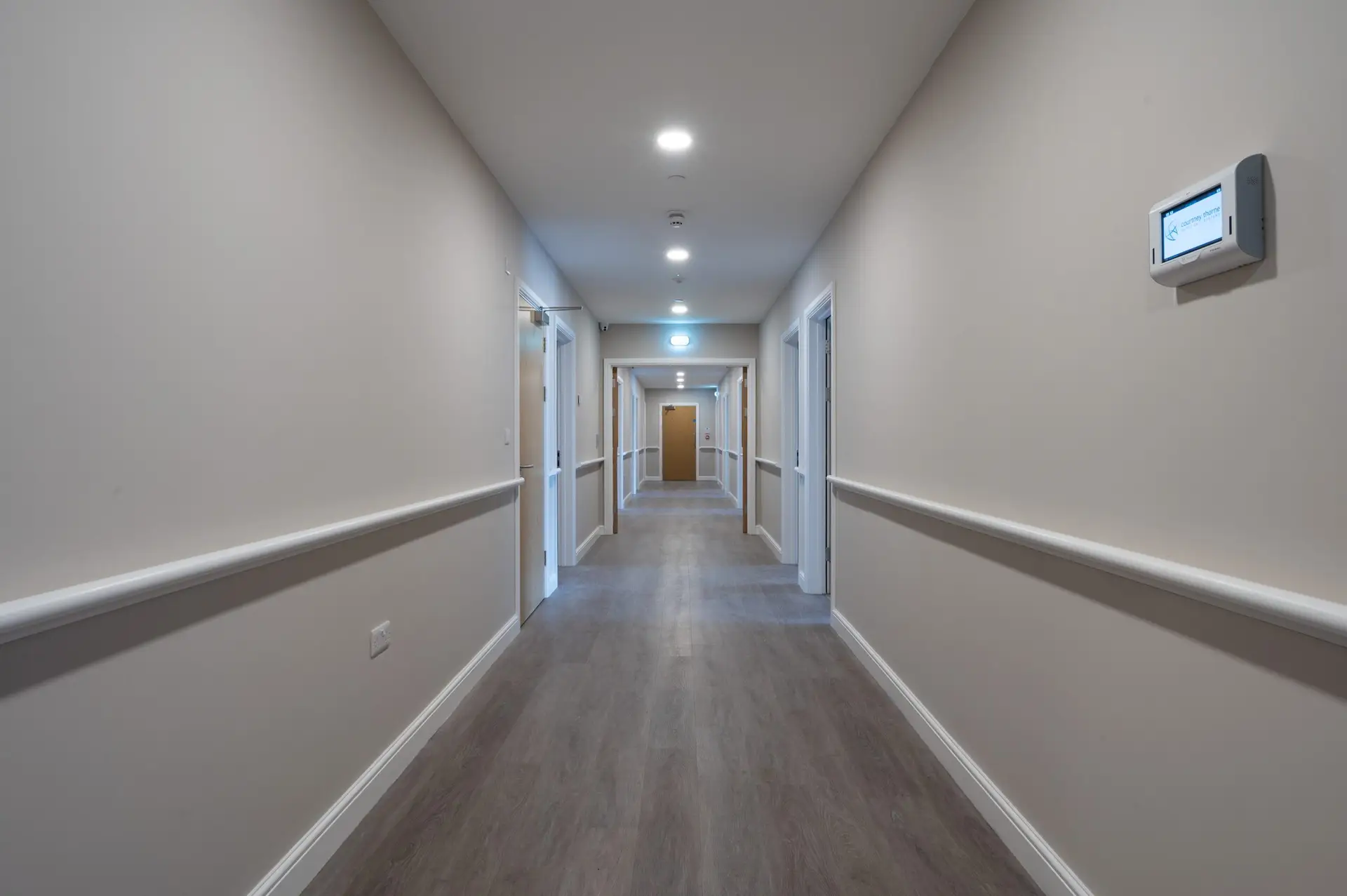
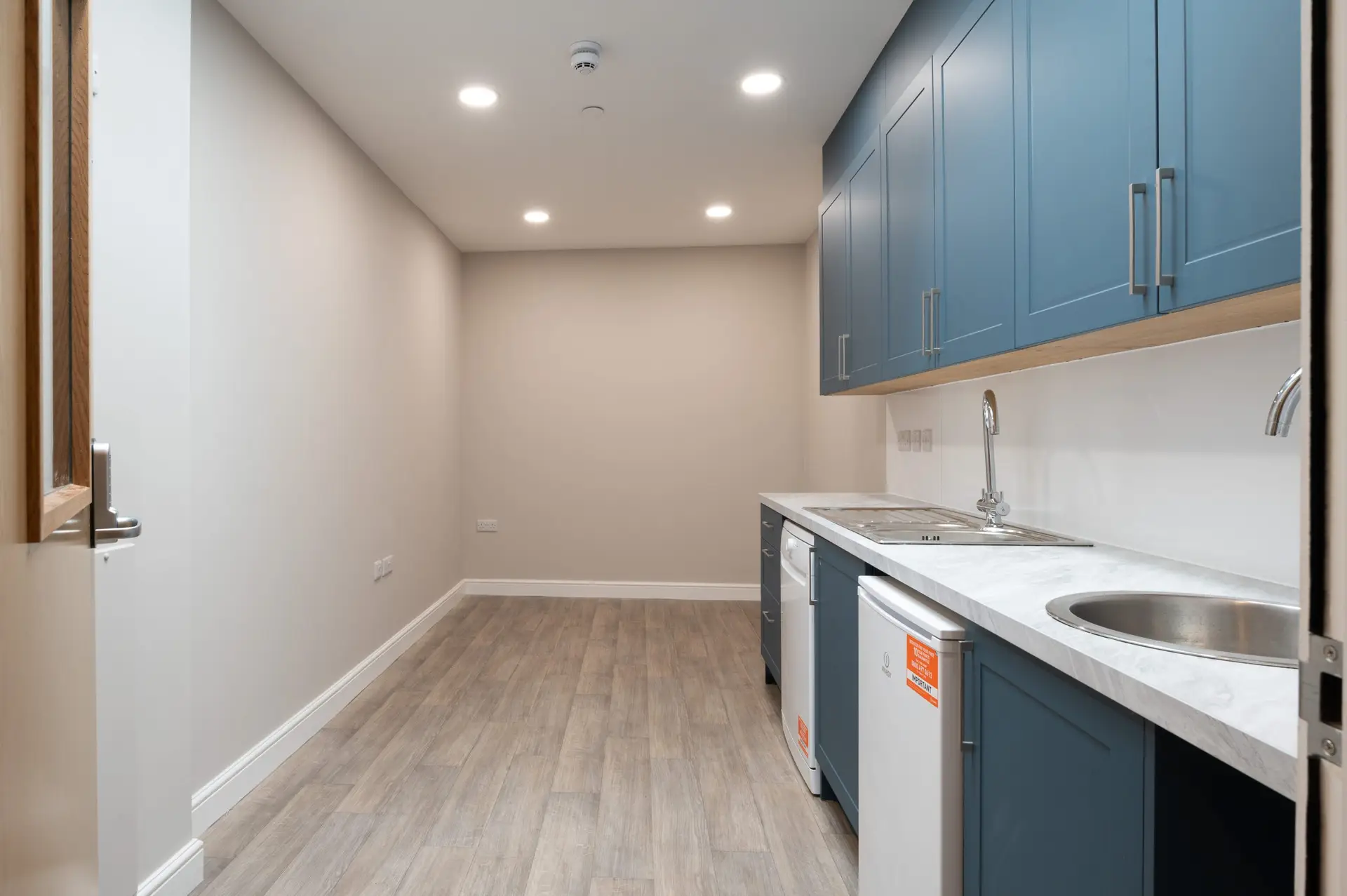
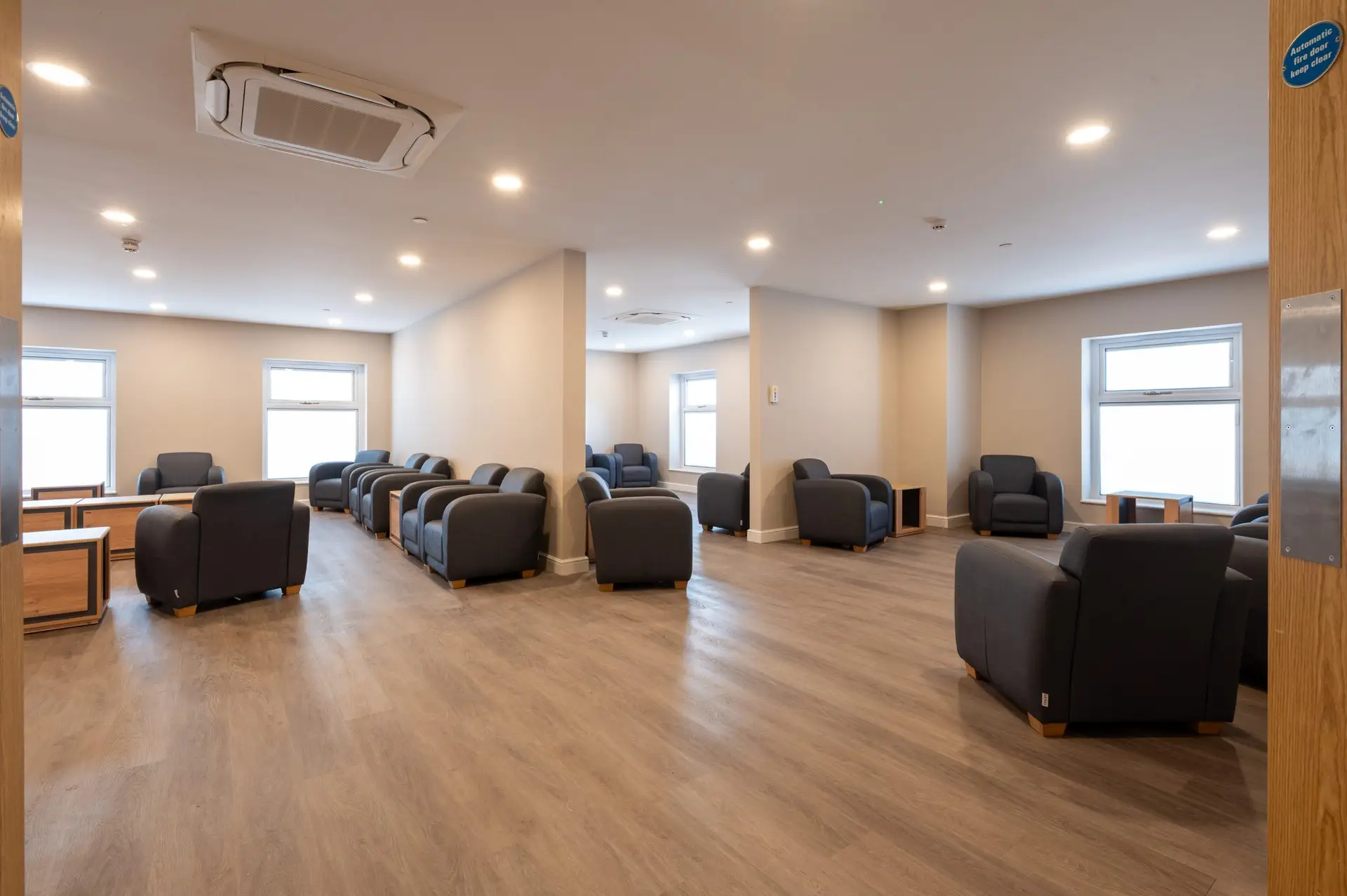
Bancroft Care Centre is a purpose-built home, registered with the Care Quality Commission in July 2025. That gives us something most services never get: the chance to design for the least restrictive option from the beginning, rather than spend years unpicking restrictions that nobody remembers introducing.
Restrictions become entrenched in three ways, and a new service can guard against all three:
Restrictive practice is not applied evenly. Across the sector, evidence consistently shows that people are restrained at different rates depending on their ethnicity, sex, age, neurodivergence, and communication style. Distress that arises from an unsuitable environment gets recorded as behaviour, and the behaviour gets managed rather than the environment changed.
A provider that cannot break its restraint data down by these characteristics cannot claim its practice is proportionate — it can only say it has not checked. We record and review ours in a form that can be broken down, because the pattern is where the learning sits.
The Care Quality Commission’s position is unambiguous: it treats restrictive practice as a failure of person-centred care planning, and expects providers to analyse incidents at board level and act to reduce them. Its work on closed cultures treats the presence of restrictive practice as a risk indicator in its own right.
The Mental Health Act 2025 points firmly in the same direction — towards statutory care and treatment plans, a stronger patient voice, and a deliberate tightening of when restrictive responses are acceptable. Alongside this, the Mental Health Units (Use of Force) Act 2018 sets an expectation of transparency about the use of force that we believe every registered provider should meet.
Reducing restriction is not the same as removing support, and we will not pretend otherwise. If a team is told to stop locking a door without any change to staffing, supervision, care planning or the environment, the result is either quiet non-compliance or an avoidable injury.
So the commitment we make internally is a two-way one: we ask our teams to work with more uncertainty, and in return we resource it — with proper formulation of each person’s needs, trauma-informed training, reflective debriefing after incidents, and proactive clinical input.
Ask us these. Ask them of every home you look at:
The regulatory question is whether a restriction is lawful, necessary and proportionate. But there is an older test that gets closer to what we are actually trying to build here, and it is the one we put to ourselves: "Would I accept this in my own home?"
Bancroft Care Centre · 77 Bancroft Lane, Mansfield NG18 5LL