
Structured therapeutic pathways supporting stabilisation, recovery and independence through personalised care, multidisciplinary input and safe community environments.
At Bancroft, every person follows a structured therapeutic pathway designed around their individual needs, risks and recovery goals. Pathways are led by our multidisciplinary team, combining 24-hour mental health nursing with psychology, occupational therapy and psychiatric input.
Some individuals require longer term, high support care to stabilise complex conditions. Others enter recovery and reablement pathways focused on rebuilding skills, confidence and independence. Progress is guided through regular review, therapeutic engagement and practical assessment.
This flexible model allows people to move forward at their own pace, ensuring safety while supporting meaningful progress toward less restrictive environments and long-term community living.
Each pathway is personalised, supporting people from stabilisation through recovery and reablement, toward greater independence and safer community living.
Understanding therapeutic pathways is key when planning mental health placements. These answers explain how Bancroft supports recovery, manages risk and helps people move safely toward greater independence.
Each resident follows an individual pathway shaped by clinical need, risk profile and personal goals. The multidisciplinary team assesses mental health, functional ability and readiness for progression. Care plans are reviewed regularly and adapted as people stabilise or develop new skills. Some individuals remain in long-term high support care, while others move through recovery and reablement pathways. This flexible approach ensures everyone receives the right level of support at the right time.
Therapy sits at the heart of Bancroft’s pathways. Psychology supports emotional regulation and behavioural understanding, while occupational therapy focuses on practical daily living skills. Together, these therapies help residents rebuild routines, confidence and independence. Interventions are integrated into everyday life through cooking, budgeting, community access and structured activity. This approach ensures therapy is meaningful, functional and directly linked to long-term recovery outcomes.
Risk is assessed continuously throughout each pathway. Structured observation, Positive Behavioural Support and multidisciplinary review guide decisions about progression. Environmental design reduces escalation, while staff provide consistent supervision and support. External professionals and commissioners remain involved through regular reviews. This ensures transitions happen safely, gradually and with full oversight, reducing relapse and promoting sustainable community placement.
Discharge planning begins early and is coordinated with social workers, commissioners and community services. Residents transition to supported living, residential care or community settings depending on need. Bancroft provides detailed handover information and collaborates with receiving services to maintain continuity. This joined up approach supports long term stability and helps individuals sustain progress beyond their time at Bancroft.
Complete and submit the form below and our team will respond as soon as possible to discuss your needs and next steps.
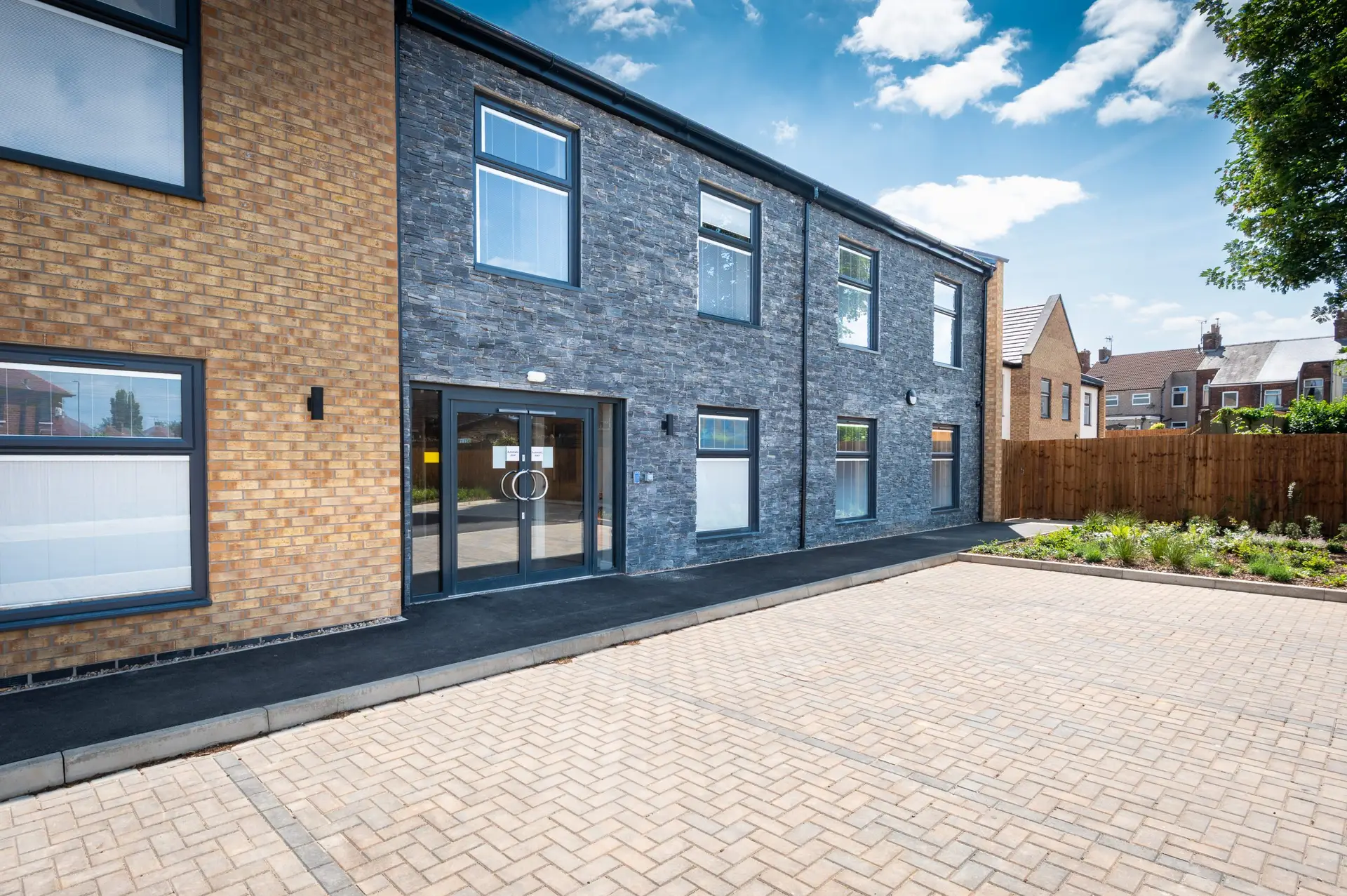
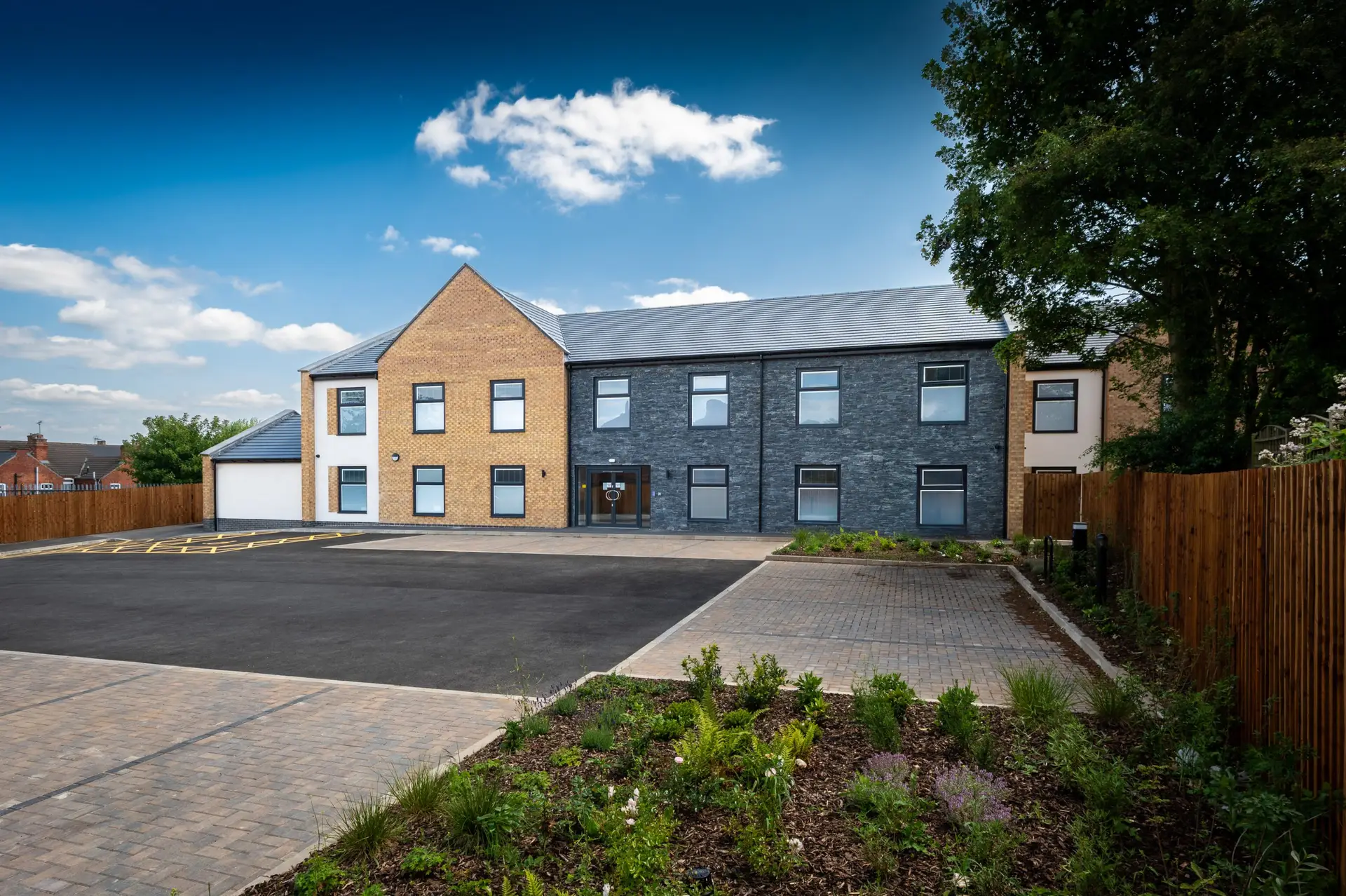
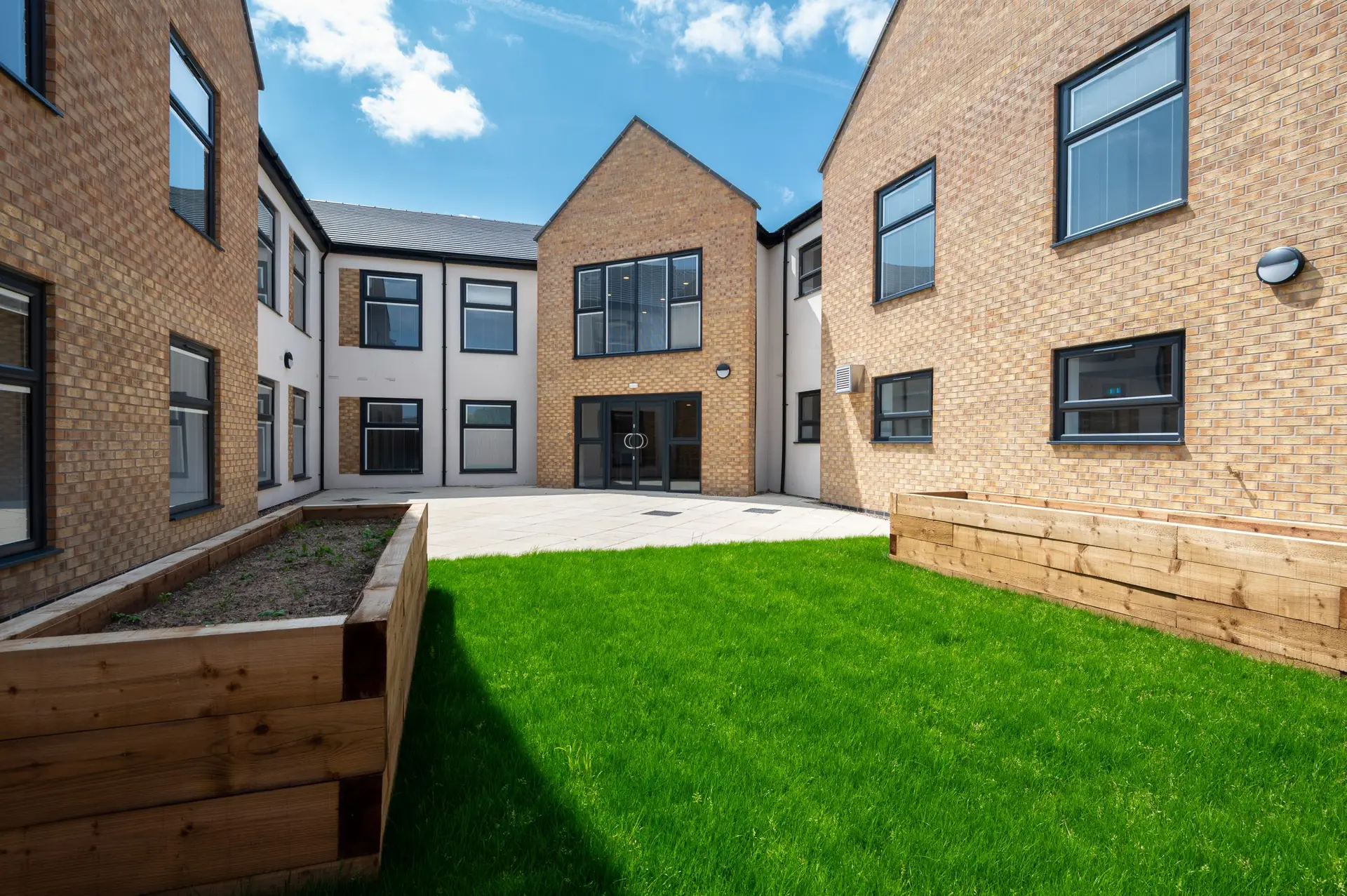
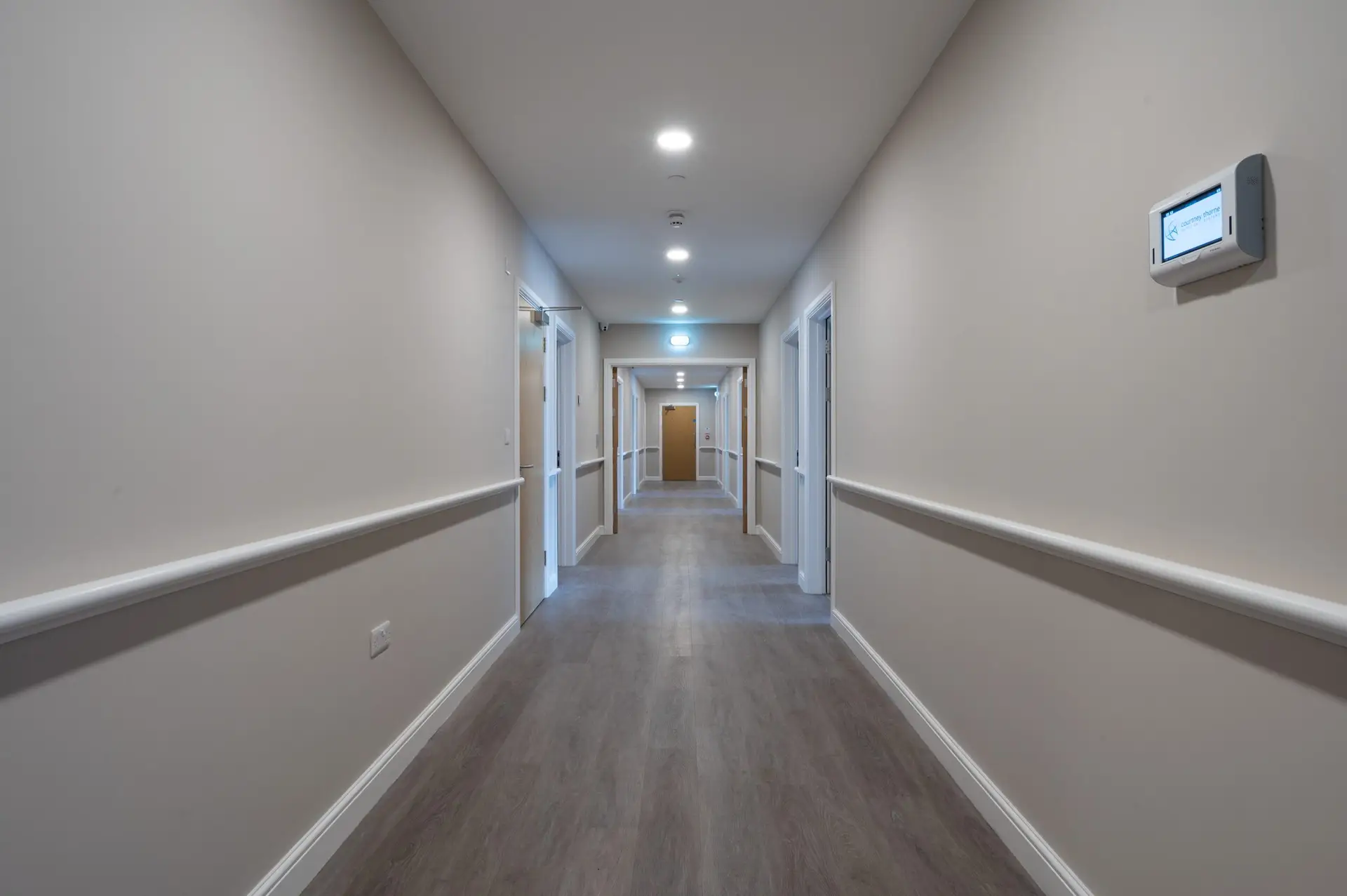
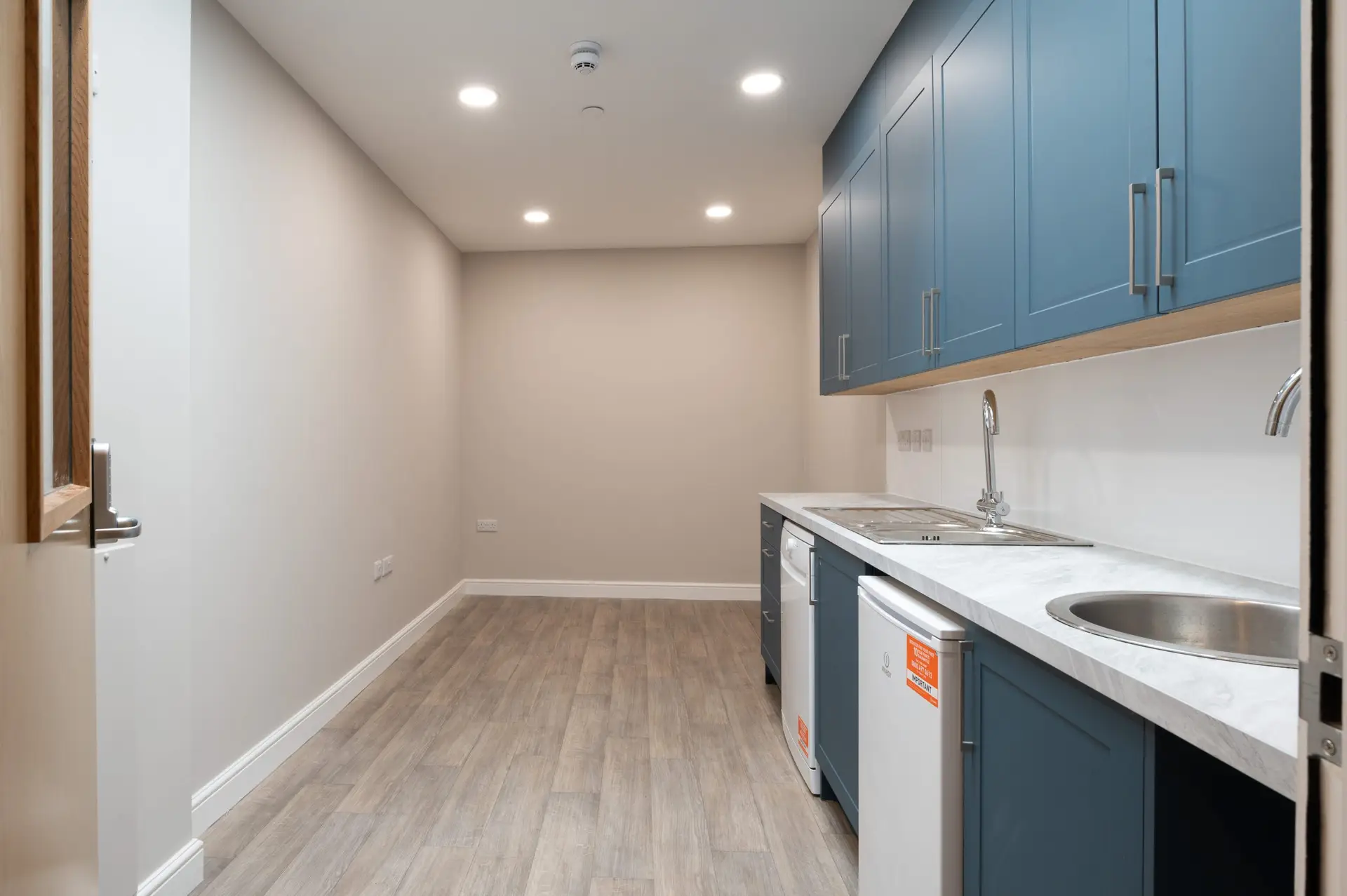
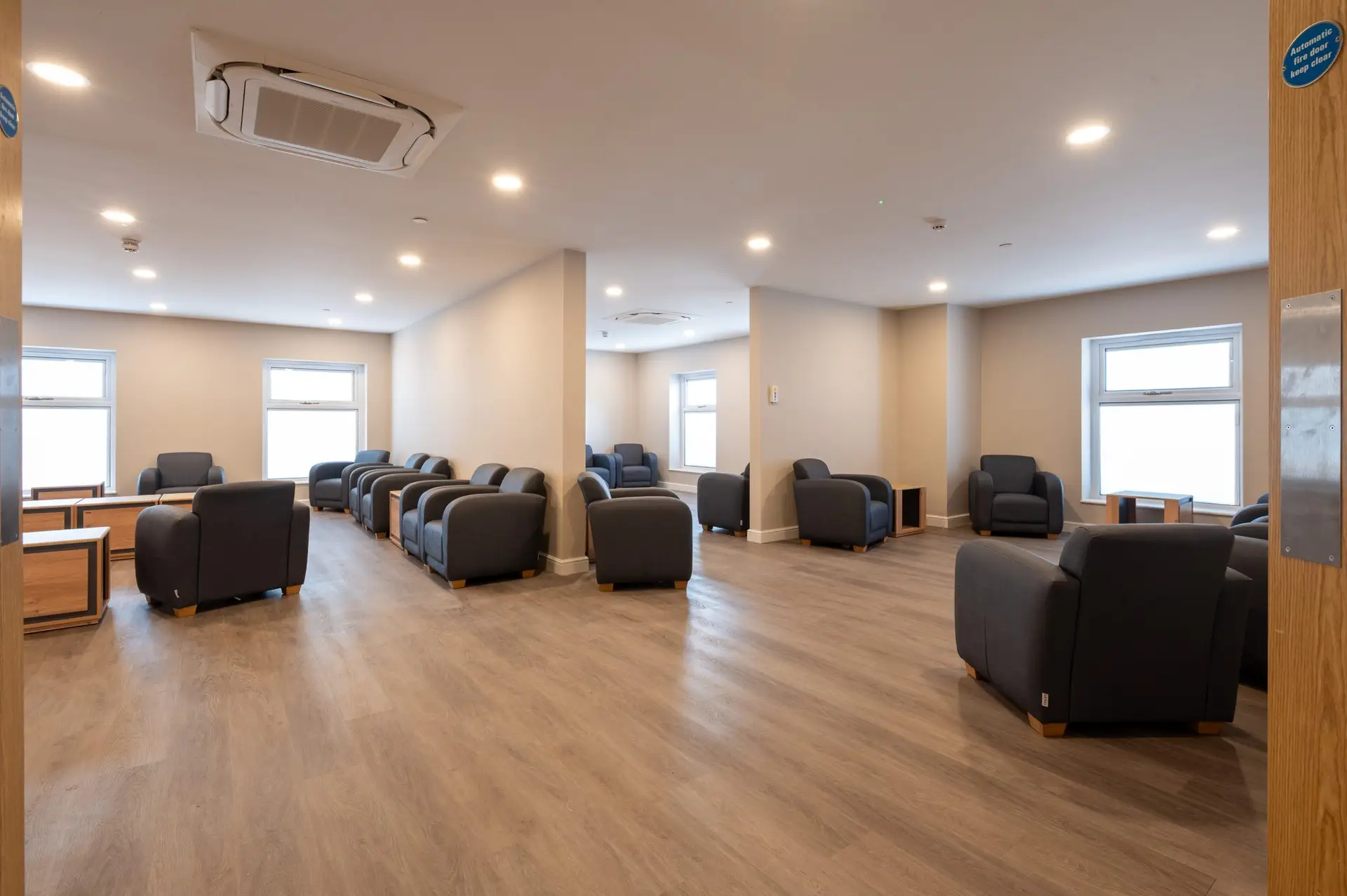
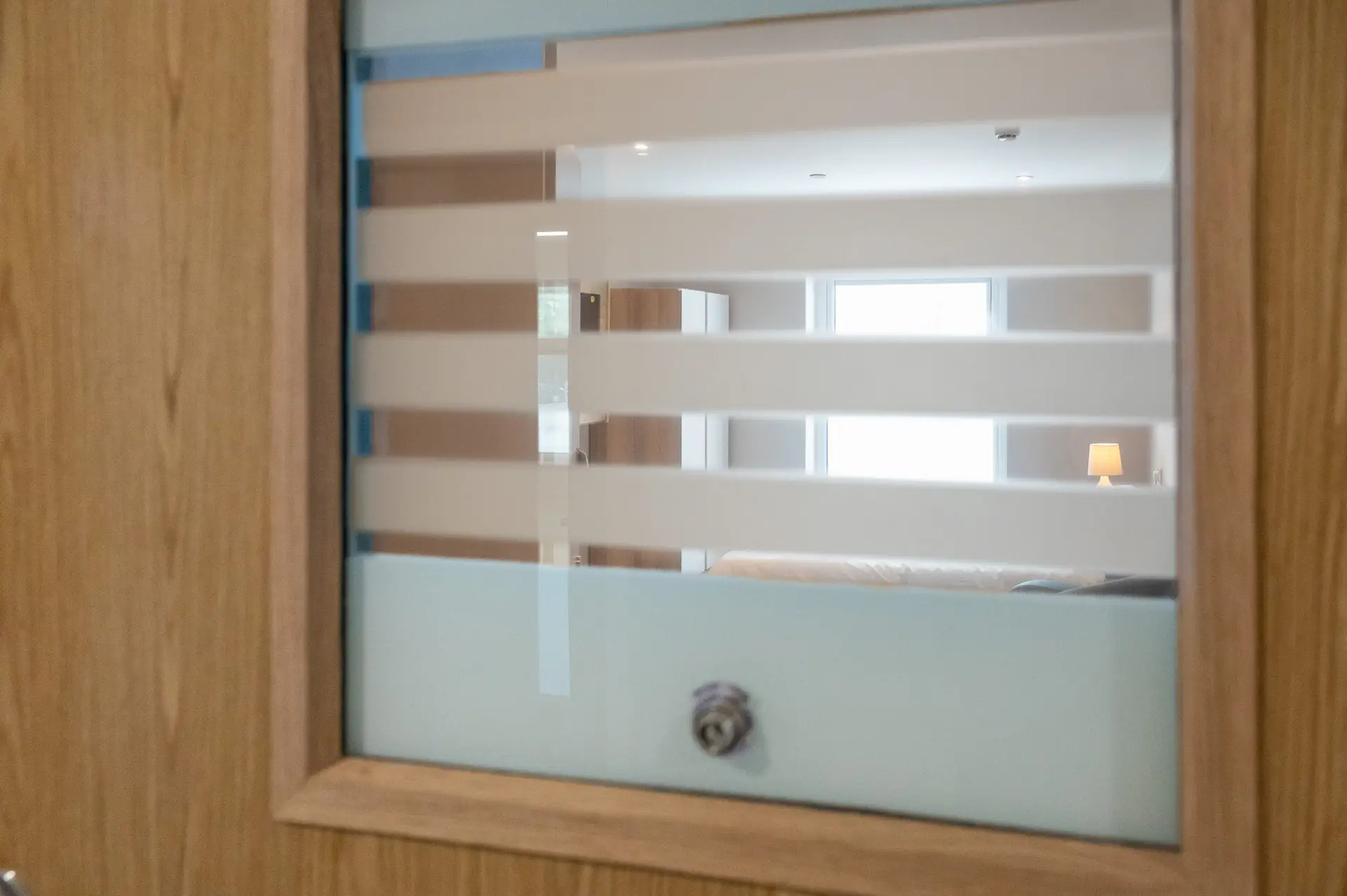
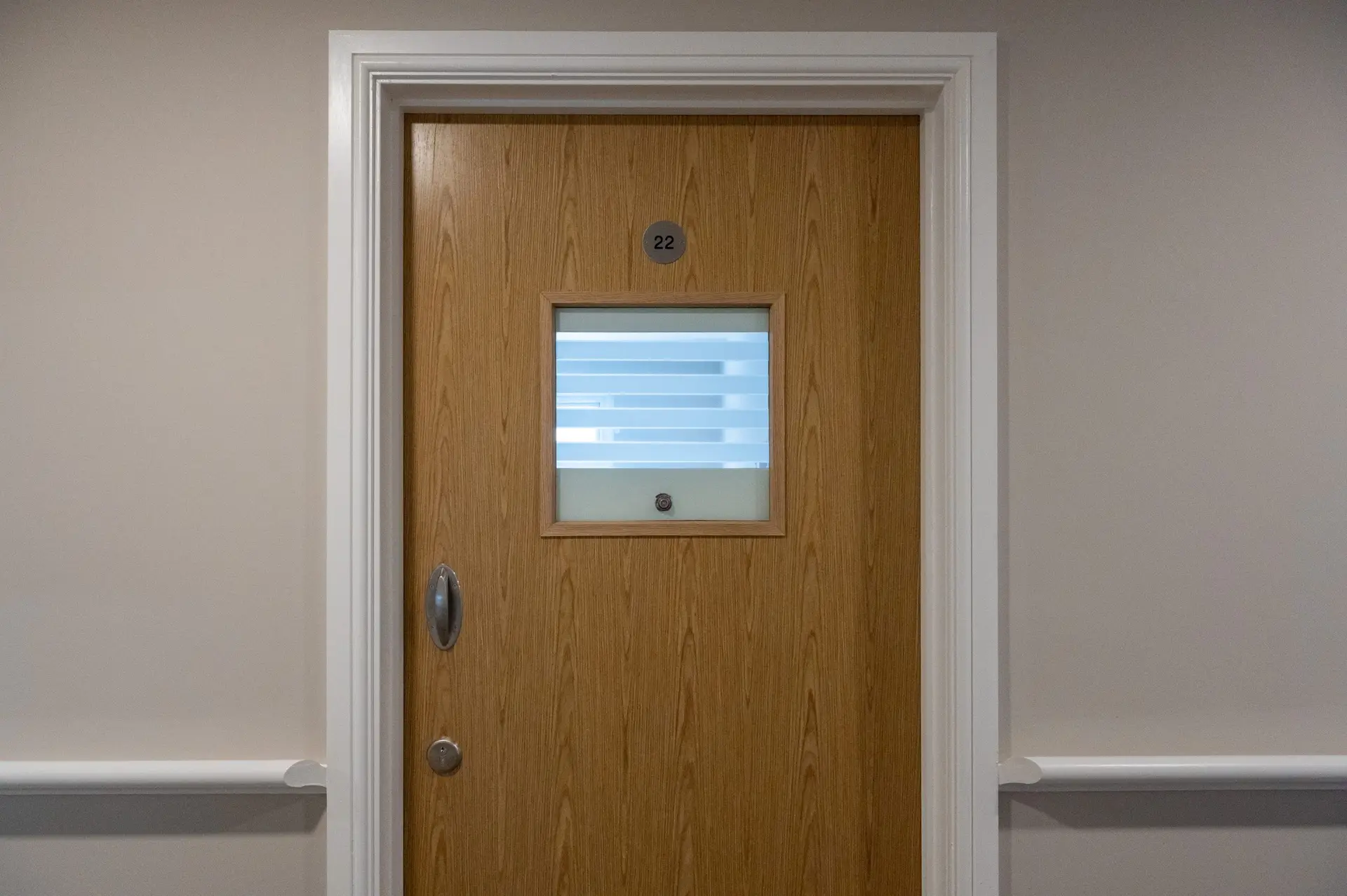
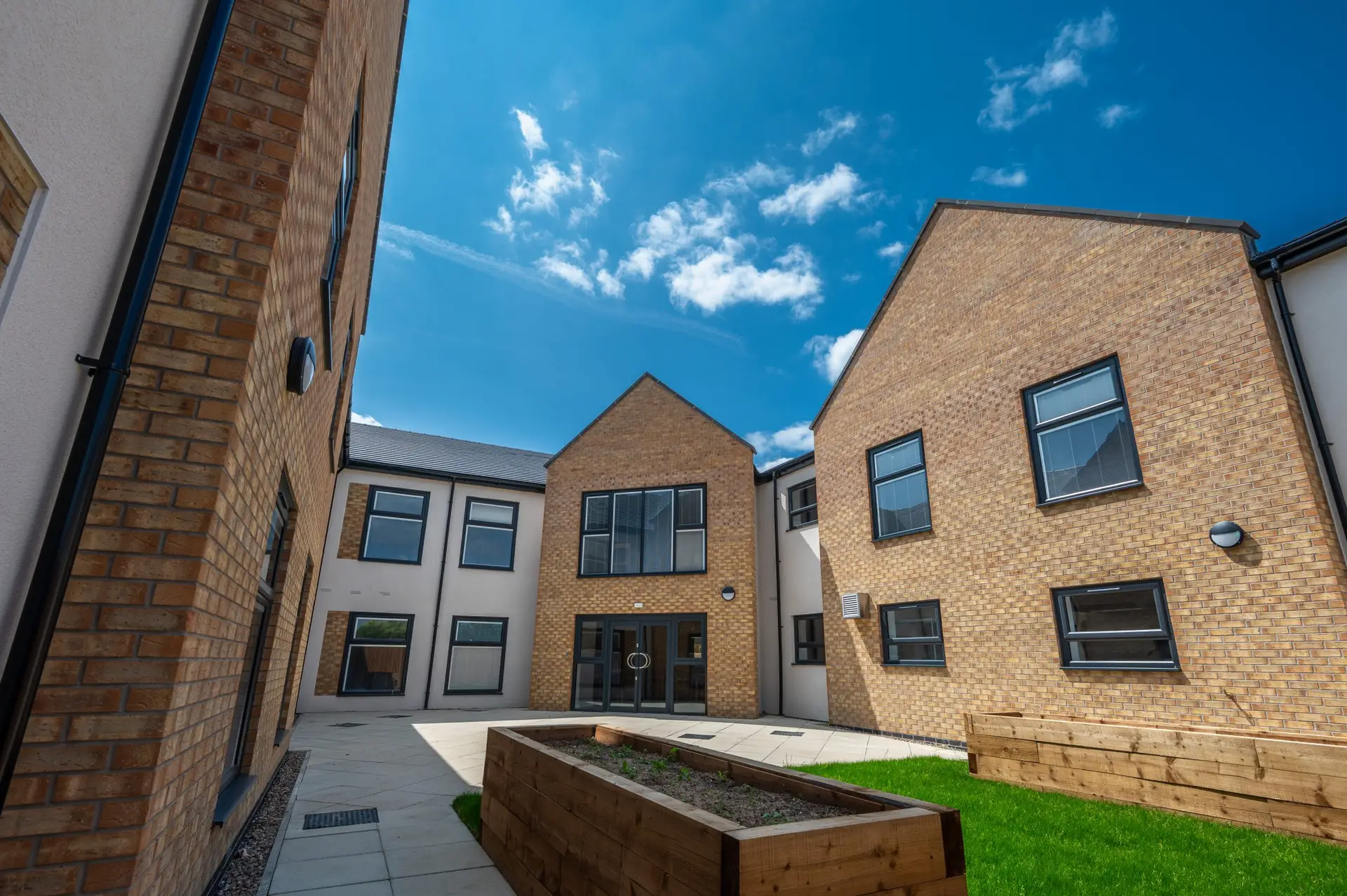
Bancroft Care Centre is our flagship home, custom built with one goal: to provide exceptional specialist mental health care.
Led by our nurses and Occupational Therapist, we put each person at the centre of every decision—shaped around their needs, outcomes and unique identity.
People arrive at a difficult point. What happens next is not containment, but a multidisciplinary team who see the whole person: their strengths, culture, goals and the life they want to return to.
Contact arlene.bunton@ashahealthcare.co.uk to book a viewing or discuss referral pathways.
Asha Healthcare
You are warmly invited to visit our home!
Specialist nurse-led mental health service for adults 18+
Designed for safety and dignity
Wednesday
22 JULY 2026
Guided tours through our home are available
Meet our nurses and occupational therapist · See our rooms and spaces
Learn about our specialist mental health care · Ask us anything